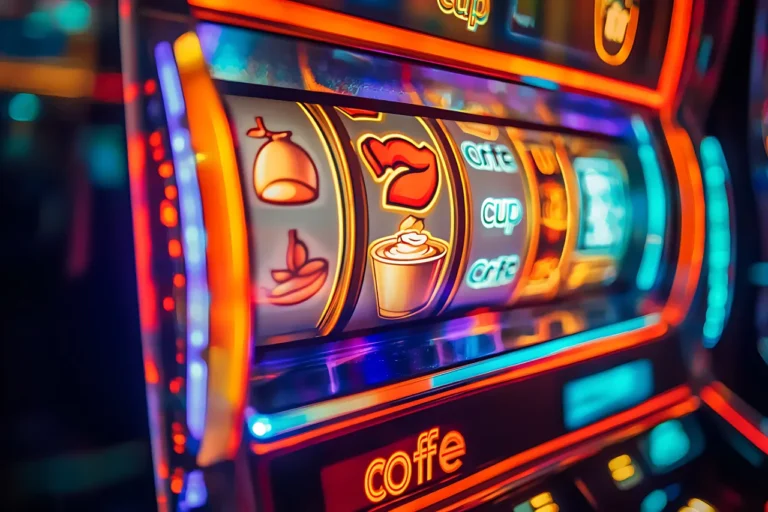
Online casinos are transforming how players engage with gambling through gamification techniques borrowed from video games. Over 70% of online casino platforms now incorporate interactive features like missions, levels, achievements, and leaderboards to create more immersive experiences beyond traditional slot machines and table games. This shift represents a fundamental change in how the gambling industry approaches player retention and engagement.
The integration of game-like elements has moved from a novelty feature to an essential strategy for casino operators. Players can now progress through levels, compete on leaderboards, and unlock rewards while playing their favorite games. These features create a sense of accomplishment that keeps users engaged longer than traditional gambling alone.
This evolution raises important questions about player experience, responsible gambling practices, and the future direction of the industry. Understanding how gamification works in online casinos reveals both the opportunities and challenges facing players and operators in this rapidly changing digital landscape.
Understanding Gamification in Online Casinos
Gamification transforms traditional online casino platforms by adding game-like features that keep players engaged. This approach uses rewards, challenges, and progression systems to create more interactive experiences than standard gambling sites.
Definition of Gamification
Gamification means adding video game elements to platforms that are not games. Online casinos use this method to make their sites more fun and engaging.
The main goal is to create deeper player connections. Instead of just offering basic casino games, these platforms add layers of interaction and rewards.
Players can now earn points, unlock achievements, and progress through levels. These features come from popular video games and mobile apps.
Key aspects of casino gamification include:
- Adding competition between players
- Creating reward systems beyond money
- Building long-term engagement goals
- Making the experience more social
This approach helps casinos stand out in a crowded market. It also keeps players coming back more often than traditional gambling sites.
Key Gamification Elements
Modern online casinos use several specific features to gamify their platforms. These elements work together to create a complete gaming experience.
Points and rewards form the foundation of most systems. Players earn points for placing bets, playing certain games, or logging in daily.
Leaderboards show how players rank against others. This creates competition and encourages more play time.
Achievement badges unlock when players complete specific tasks. Examples include playing 100 games or winning on certain days.
Level progression lets players advance through different tiers. Higher levels often come with better bonuses and exclusive games.
Challenges and missions give players specific goals to complete. These might involve playing new games or reaching betting targets.
Loyalty programs reward regular players with special perks. VIP status often includes faster withdrawals and personal account managers.
Difference Between Traditional and Gamified Casinos
Traditional online casinos focus mainly on the gambling experience. Players deposit money, play games, and withdraw winnings without extra features.
These sites typically offer basic welcome bonuses and simple loyalty programs. The main interaction happens during actual gameplay.
Gamified casinos create ongoing engagement beyond individual gaming sessions. Players have reasons to return even when not actively gambling.
The user interface in gamified casinos includes progress bars, achievement notifications, and social features. Traditional sites usually have simpler, more basic designs.
Reward structures differ significantly:
| Traditional Casinos | Gamified Casinos |
|---|---|
| Welcome bonuses only | Multiple reward types |
| Basic cashback | Points and tier systems |
| Simple VIP programs | Complex progression paths |
| Limited social features | Leaderboards and competitions |
Gamified platforms also use personalized offers based on player behavior. Traditional casinos typically send the same promotions to all users.
The time spent on gamified sites tends to be longer. Players engage with features beyond just playing casino games.
Historical Evolution of Gamification in iGaming
The transformation of online casinos through gamification began in the mid-2000s with simple reward systems and has evolved into complex digital experiences. This evolution was shaped by early loyalty programs, key technological breakthroughs, and advances in mobile gaming platforms.
Early Implementation of Gamified Features
Online casinos first introduced gamification elements around 2005 through basic loyalty point systems. Players earned points for every bet placed, which they could exchange for bonuses or prizes.
The earliest gamified features included:
- VIP tier programs with Bronze, Silver, Gold levels
- Daily login bonuses to encourage regular visits
- Achievement badges for completing specific tasks
- Progress bars showing advancement toward rewards
These systems borrowed concepts from traditional brick-and-mortar casino comps programs. However, digital platforms allowed for more detailed tracking of player behavior.
Tournaments became popular around 2007. Players competed against each other in slot or poker competitions for prizes. This added a social element that was missing from solo gambling.
Many operators also introduced mission-style challenges. Players received specific tasks like “win 10 spins on a particular slot” or “play for 30 minutes.” Completing these missions unlocked rewards or bonus features.
Milestones in Gamification Development
2010 marked the introduction of leveling systems similar to video games. Players gained experience points (XP) and advanced through numbered levels, unlocking new games or features.
The launch of social casino games on Facebook in 2011 changed everything. Games like Zynga Poker showed how social features could drive engagement without real money gambling.
2013 brought story-driven slot games with character progression. Players followed narratives across multiple gaming sessions, with their choices affecting gameplay outcomes.
Mobile gaming explosion in 2014 enabled new gamification features:
- Push notifications for daily challenges
- Location-based rewards
- Touch-based mini-games between spins
Live dealer integration in 2016 added gamification to traditional table games. Chat features, leaderboards, and shared challenges created community experiences.
Cryptocurrency adoption starting in 2017 introduced blockchain-based achievements and NFT rewards that players could own outside the casino platform.
Technological Advancements Driving Change
HTML5 technology replaced Flash around 2012, enabling smoother animations and interactive elements. This allowed developers to create more engaging visual feedback systems and complex bonus rounds.
Big data analytics transformed how casinos personalized gamification. Platforms began tracking hundreds of data points to customize challenges and rewards for individual players.
Artificial intelligence implementation started around 2018. AI systems now predict player preferences and automatically adjust difficulty levels or suggest personalized missions.
Virtual reality experiments began in 2019 with fully immersive casino environments. Players could explore 3D spaces, interact with objects, and participate in elaborate quest-style adventures.
Real-time multiplayer features became standard by 2020. Players could form teams, compete in clan battles, or participate in server-wide events with thousands of participants.
Modern cross-platform integration allows progress tracking across mobile apps, desktop sites, and even physical casino visits. Players maintain their levels and achievements regardless of how they access games.
Popular Gamification Features in Online Casinos
Online casinos use several key features to make gambling feel more like playing video games. Players earn points through missions, climb levels to unlock rewards, and join loyalty programs that offer special perks.
Missions and Quests
Online casinos create daily and weekly challenges that give players specific goals to complete. These missions might ask players to spin slot machines a certain number of times or play particular games.
Players receive rewards for finishing these tasks. Common rewards include free spins, bonus money, or loyalty points.
Popular mission types include:
- Daily login bonuses
- Game-specific challenges
- Weekly tournaments
- Seasonal events
Some casinos offer story-based quests where players unlock new chapters by completing different gambling activities. These quests often have themes like adventure stories or treasure hunts.
The missions keep players engaged by giving them clear targets to work toward. Instead of just gambling randomly, players have specific goals that make the experience feel more purposeful.
Reward Systems and Loyalty Programs
Most online casinos now use point-based systems where players earn rewards for their gambling activity. Players collect points every time they place bets or play games.
These points can be traded for different prizes:
| Reward Type | Common Examples |
|---|---|
| Bonus Money | Extra funds to play with |
| Free Spins | Free rounds on slot machines |
| Cash Back | Percentage of losses returned |
| Physical Prizes | Electronics, trips, merchandise |
VIP programs offer special treatment for high-spending players. VIP members get personal account managers, faster withdrawals, and exclusive bonuses.
Many casinos use tier systems with names like Bronze, Silver, Gold, and Platinum. Players move up tiers by earning more points, which unlocks better rewards and perks.
Leveling Up and Progression Mechanics
Online casinos use level systems similar to video games where players advance through different ranks. Each level requires a certain amount of gambling activity or points to reach.
Players see progress bars that show how close they are to the next level. This visual feedback creates excitement and motivation to keep playing.
Level benefits often include:
- Higher point earning rates
- Exclusive game access
- Better customer support
- Special promotions
Some casinos display player levels with badges or achievements that show off their progress. Players might earn titles like “Slot Master” or “High Roller” based on their activity.
The progression system gives players a sense of accomplishment. Even when they lose money gambling, they still feel like they are making progress toward something valuable.
Player Engagement Through Gamification
Gamification transforms how players interact with online casinos by tapping into basic human psychology and creating personalized experiences. These systems use points, badges, and rewards to keep players coming back while making each gaming session feel unique.
Psychological Principles
Online casinos use several key psychological triggers to boost player engagement. The most powerful is variable ratio reinforcement. Players receive rewards at unpredictable intervals, which creates stronger motivation than fixed rewards.
Achievement systems tap into the human need for accomplishment. Players earn badges for completing specific tasks like playing certain games or reaching deposit milestones. These visual markers of progress create a sense of personal growth.
Leaderboards activate competitive instincts. When players see their ranking compared to others, they often play longer to improve their position. This social comparison drives engagement even among casual players.
Progress bars provide clear visual feedback. Players can see how close they are to the next reward level. This creates anticipation and encourages continued play to reach the next milestone.
The fear of missing out also plays a role. Limited-time missions and seasonal events create urgency. Players log in more frequently to avoid losing special opportunities.
Retention Strategies
Loyalty programs form the backbone of casino retention efforts. These systems reward consistent play with points that convert to bonuses, free spins, or real money. Multi-tier programs create long-term goals that keep players engaged for months.
Daily missions bring players back regularly. Simple tasks like “play 50 spins” or “try three different games” create routine engagement. Completing these missions becomes part of the player’s daily gaming habit.
Streak bonuses reward consecutive days of play. Players receive increasing rewards for logging in multiple days in a row. Missing a day breaks the streak, which motivates daily visits.
Comeback bonuses target inactive players. Special offers appear after periods of inactivity to re-engage lapsed users. These personalized incentives often include enhanced deposit matches or exclusive game access.
Seasonal events create excitement around specific time periods. Holiday tournaments, summer challenges, and anniversary celebrations give players reasons to return during slower periods.
Personalization and Customization
Modern casino platforms analyze player behavior to create tailored experiences. AI systems track game preferences, betting patterns, and session lengths to suggest relevant content. This personalized approach increases engagement rates significantly.
Custom avatars and profile customization let players express their identity. Players can unlock new cosmetic items through gameplay achievements. This personal investment creates emotional attachment to the platform.
Personalized missions adapt to individual playing styles. High-stakes players receive different challenges than casual players. Slot enthusiasts get slot-focused tasks while table game players see blackjack or poker missions.
Adaptive reward systems adjust based on player value and activity. VIP players access exclusive tournaments and higher-value bonuses. New players receive beginner-friendly missions that teach platform features.
Communication preferences allow players to control their experience. Some prefer email updates while others want push notifications. Players can choose which types of promotions they want to receive.
Game recommendations use machine learning to suggest new titles. The system considers past gameplay, similar player preferences, and trending games to make relevant suggestions.
Impact on Casino Game Design
Gamification has changed how online casinos build their games. Game makers now add progress bars, achievement systems, and social features to classic casino games. These changes make games more fun and keep players interested longer.
Integration with Slot Machines
Modern slot machines use leveling systems that let players unlock new games and features. Players earn experience points with each spin. They can access bonus rounds and special symbols as they level up.
Achievement badges appear when players hit certain goals. These might include spinning 100 times or hitting three jackpots in one session. Many slots now show progress bars that fill up during gameplay.
Storyline elements have become common in themed slots. Players move through different chapters or locations. Each level brings new characters and plot developments.
Tournament features let players compete against others on the same slot game. Leaderboards show top scores in real time. Winners get prizes like free spins or cash bonuses.
Some slots include collection mechanics where players gather items or cards. These collections unlock special games or multiplier bonuses. Players return daily to complete their sets.
Live Dealer Enhancements
Live dealer games now include chat tournaments where players compete through social interaction. Dealers award points for participation and engagement. Active players climb leaderboards during game sessions.
Mission systems give players specific goals during live games. These might include winning three hands in a row or placing bets on certain numbers. Completed missions unlock rewards and bonuses.
Side challenges run alongside regular gameplay. Players might need to predict the next card color or guess the roulette section. These mini-games add extra excitement without changing core rules.
VIP recognition features highlight loyal players during live streams. Dealers acknowledge achievements and milestones publicly. Special badges appear next to player names in chat windows.
Multi-table progression lets players earn points across different live dealer games. A single account tracks achievements in blackjack, roulette, and baccarat together.
Table Game Innovations
Digital blackjack tables now feature strategy coaching systems. Players receive hints about optimal moves. The system tracks improvement over time and awards skill-based achievements.
Poker tournaments include satellite qualifiers and step tournaments. Players advance through multiple levels to reach major events. Each stage offers different buy-ins and prize structures.
Social elements let friends join the same virtual table. Players can share achievements and compete in private challenges. Group leaderboards track performance among friend circles.
Customization options allow players to change table themes and card designs. Unlocked items serve as status symbols. Rare designs require significant play time or special achievements.
Progressive challenges span multiple gaming sessions. Players work toward long-term goals like winning 100 hands or playing for certain time periods. Rewards increase based on challenge difficulty.