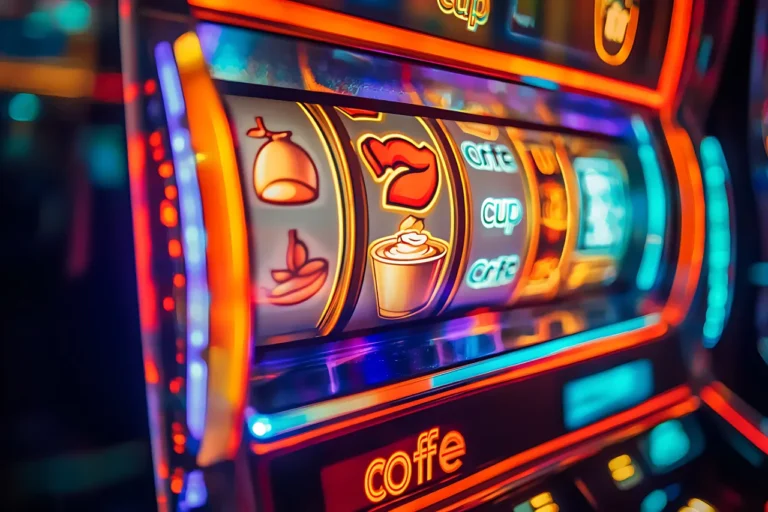
Walking into a casino feels different from entering most other spaces. The atmosphere shifts in ways that are hard to pinpoint at first. Casinos deliberately design their environments to make people lose track of time by removing clocks and windows while creating a constant state of activity and engagement. This manipulation of time perception is not accidental but a carefully planned strategy.
Understanding how casinos affect the way people experience time helps explain why gamblers often stay longer than they planned. The building layout, lighting choices, sound design, and game mechanics all work together to create a timeless bubble. These techniques tap into basic human psychology to keep players engaged.
Time perception in casinos varies based on individual factors and cultural backgrounds. Some people are more susceptible to these design tricks than others. Learning about these psychological strategies can help people recognize when their sense of time is being influenced and make more aware choices about their gambling habits.
Fundamental Concepts of Time Perception in Casinos
Casino environments alter how people experience the passage of time through specific psychological mechanisms and environmental design choices. Players commonly spend more hours gambling than they originally planned because their internal clocks become distorted.
Psychological Mechanisms Influencing Time Perception
The human brain processes time differently based on attention levels and emotional states. When someone engages in an activity that captures their full attention, hours feel like minutes.
Flow state represents the primary mechanism casinos exploit. This mental condition occurs when a person becomes completely absorbed in an activity. Casino games create flow by providing constant feedback through wins, near-wins, and continuous action. The brain enters a focused state where time awareness fades into the background.
The reward system in the brain releases dopamine during gambling activities. This chemical response makes players feel excited and engaged. Each spin, card flip, or dice roll triggers anticipation that keeps the mind focused on the present moment rather than tracking time.
Continuous play patterns prevent natural breaks that would normally help people recognize how long they’ve been gambling. Games transition seamlessly from one round to the next without pause points.
Impact of Casino Environments on Time Awareness
Casinos remove standard time cues that people rely on in daily life. The absence of windows eliminates natural light changes that signal morning, afternoon, and evening. No clocks appear on walls or gaming machines.
Lighting stays consistent throughout the day and night. Bright overhead lights maintain the same intensity at 2 PM and 2 AM. This constant illumination prevents the body from recognizing circadian rhythms.
The physical layout creates a maze-like structure. Winding paths between gaming areas make it difficult to navigate or locate exits. Players lose spatial orientation along with temporal awareness.
Key environmental factors include:
- Constant temperature control
- Uniform background music and sound effects
- Consistent crowd levels maintained through shift planning
- Lack of visible transitions between spaces
Importance for Player Experience
Time distortion directly affects how much money players spend and lose. Extended play sessions increase the house edge impact. Someone who planned to gamble for one hour but stays for four hours faces significantly higher expected losses.
Decision-making quality decreases as actual time spent gambling increases. Fatigue impairs judgment even when players don’t realize how tired they’ve become. Bankroll management becomes harder to maintain without accurate time awareness.
Many players report surprise when they finally check the time. This disconnect between perceived and actual duration creates negative experiences after leaving the casino. Understanding these mechanisms helps players recognize when they’re losing track of time.
Casino Design Strategies to Manipulate Time Perception
Casinos employ specific architectural and sensory techniques that distort how patrons experience time passing. These methods work together to keep players engaged longer than they intend to stay.
Lighting and Sound Effects
Casinos maintain constant lighting levels throughout the day and night to eliminate natural time cues. The artificial lighting stays consistent at all hours, preventing players from noticing whether it’s morning, afternoon, or late evening.
Designers typically use warm, ambient lighting rather than bright overhead lights. This creates a comfortable atmosphere that reduces eye strain and fatigue. Players feel less physical discomfort, which might otherwise signal them to take a break.
Sound design plays an equally important role in time distortion. Casinos fill the space with a constant mix of slot machine sounds, music, and crowd noise. This steady audio environment masks the natural quiet periods that would normally occur at different times of day.
The combination of unchanging light and continuous sound creates what researchers call a “sensory bubble.” Inside this bubble, the usual markers that help people track time simply don’t exist.

Absence of Clocks and Windows
Casino operators deliberately exclude clocks from gaming floors. Players cannot glance at a wall to check how long they’ve been playing. This forces them to rely on internal time estimates, which are notoriously inaccurate during engaging activities.
Windows are similarly absent from most casino gaming areas. Natural light changes throughout the day, providing clear signals about time progression. Without windows, players miss sunset, darkness, and sunrise—key indicators that hours have passed.
This isolation from the outside world is intentional. When players can’t see whether it’s day or night, they lose connection to their normal daily routines and schedules.
Spatial Layout and Signage
Casino floor layouts use maze-like designs that make direct paths difficult to find. Players must walk past numerous gaming options to reach exits, restaurants, or restrooms. This extended exposure keeps them in the gaming environment longer.
Signage for exits and amenities is typically minimal and understated. Clear directional signs would help players navigate efficiently and leave quickly. Instead, casinos make exits less obvious while keeping gaming areas highly visible.
The deliberate confusion in navigation adds to time distortion. When players struggle to orient themselves or find specific locations, they lose additional time awareness.
Psychological Effects of Altered Time Perception on Gambling Behavior
When gamblers lose track of time in casinos, their behavior changes in measurable ways. These changes affect how long people gamble, the risks they take, and their ability to control their actions.
Increased Duration of Play
Players who underestimate how long they’ve been gambling typically stay at tables and machines much longer than intended. Research shows that when people enter a flow state during gambling, they allocate fewer mental resources to tracking time. This means a session that feels like 10 minutes might actually last several hours.
The disconnect between perceived and actual time leads to extended play sessions without planned breaks. Gamblers may skip meals, ignore fatigue, or miss commitments because they genuinely believe less time has passed. Casino design reinforces this effect by removing clocks and windows, which eliminates natural time markers that people normally use to track duration.
Studies indicate that this time distortion becomes more pronounced as emotional engagement with the game increases. The brain’s attention focuses entirely on the gambling activity rather than monitoring elapsed time.
Risk-Taking and Decision Making
Time pressure perception alters how gamblers evaluate risks and make betting decisions. When players feel rushed or lose awareness of how long they’ve been playing, their cognitive processing shifts away from careful analysis.
The Iowa Gambling Task research demonstrates that perceived time pressure reduces strategic thinking during gambling activities. Players make faster decisions with less consideration of long-term consequences. They focus on immediate outcomes rather than calculating actual odds or tracking their cumulative losses.
This rushed mental state often leads to larger bets and more impulsive choices. Gamblers may abandon pre-set limits or strategies they planned to follow. The altered perception creates a disconnect between logical planning and in-the-moment behavior.
Loss of Self-Regulation
Distorted time perception directly impairs a gambler’s ability to stick to predetermined limits. Players who set time-based boundaries find these limits ineffective when they can’t accurately judge duration.
The impairment affects multiple aspects of self-control:
- Budget monitoring becomes difficult when players lose track of session length
- Emotional regulation declines as extended play increases fatigue
- Exit strategies fail when time-check triggers never occur
Problem gamblers show enhanced emotional reactivity combined with poor emotion regulation, which intensifies as playing time extends. The longer someone gambles without awareness of duration, the more their initial self-control mechanisms break down. Psychological distress increases when players eventually realize how much time and money they’ve spent, creating a cycle that can lead to chasing losses.
Cultural and Individual Differences in Casino Time Perception
Time distortion in casinos affects different groups of people in distinct ways based on their age, cultural background, and personal characteristics. These variations stem from how different populations process temporal information and respond to environmental cues.
Age-Related Variations
Older adults typically experience time differently than younger gamblers in casino environments. Research shows that aging affects the brain’s internal clock, making time seem to pass more quickly for older individuals. This natural phenomenon intensifies in casinos where external time cues are already removed.
Younger gamblers often lose track of time through deeper engagement with fast-paced games and digital interfaces. They tend to enter flow states more easily, particularly with modern slot machines and electronic gaming. Their higher tolerance for sensory stimulation makes them more susceptible to the constant lights and sounds that mask temporal awareness.
Middle-aged gamblers fall between these extremes. They show moderate time distortion but often have more developed self-regulation skills from life experience. However, they may also have more disposable income, which can lead to extended gaming sessions despite better time awareness.
Cultural Influences on Temporal Awareness
Different cultures maintain distinct relationships with time that carry into casino settings. Some societies view time as flexible and fluid, while others see it as strict and linear. These cultural frameworks shape how gamblers perceive and respond to timeless casino environments.
Eastern cultures often emphasize polychronic time orientation, where multiple activities can overlap and schedules are flexible. Gamblers from these backgrounds may feel more comfortable in environments without clear time markers. Western cultures typically follow monochronic time systems with strict scheduling, making the absence of clocks more disorienting for these players.
Cultural attitudes toward gambling itself also matter. Societies where gambling is a social activity encourage longer casino visits regardless of time perception. Communities with gambling stigma may create internal pressure that heightens time awareness despite environmental manipulation.
Personality and Gambling Habits
Certain personality traits predict stronger time distortion effects in casinos. Individuals with high impulsivity scores lose track of time more readily than those with strong self-control. Sensation-seekers actively ignore temporal cues because they prioritize immediate excitement over time management.
Key personality factors include:
- Impulsivity level – Higher impulsivity correlates with faster time loss
- Risk tolerance – Risk-takers spend less mental energy monitoring time
- Compulsivity traits – Those prone to compulsive behavior show reduced temporal awareness
- Mindfulness skills – Practiced mindfulness helps maintain time perception
Regular gamblers develop tolerance to casino time manipulation through repeated exposure. Casual visitors experience stronger distortion effects because the environment feels novel and overwhelming. Problem gamblers show the most severe time blindness, often gambling for hours beyond their intentions without awareness.