
Walk into any casino and the sounds hit you immediately. Slot machines chime, cards shuffle, and music plays in the background. These sounds are not random. Casinos carefully design every sound effect to influence how long players stay and how much they gamble. The connection between sound and player behavior runs deeper than most people realize. Research shows that audio elements affect decision-making, risk-taking, and even how fast players place their bets. Casinos work with sound engineers to create specific effects that keep players engaged and encourage continued play. Understanding how casino sounds work reveals important information about gambling environments. This knowledge helps players recognize when audio design might be affecting their choices. The psychology behind these sounds, the specific types used, and the ethical questions they raise all play a role in the modern casino experience.
The Psychology of Casino Sound Effects
Casino sound effects tap into specific brain mechanisms that connect audio signals with pleasure and motivation. These carefully designed sounds trigger emotional reactions and create learned behaviors that keep players engaged longer than they might intend.
Auditory Cues and Reward Systems
The human brain processes casino sounds through the same neural pathways that respond to natural rewards. When a slot machine plays winning sounds, it activates the dopamine system even before a player sees their payout amount. Casinos design sounds to create false wins. A player might lose money overall but still hear celebratory music because they won back a portion of their bet. The brain responds to these sounds as victories regardless of the actual financial outcome. Key sound-reward connections include:
- Chimes and bells – Signal potential rewards and trigger anticipation
- Rising tones – Build tension and excitement before outcomes
- Musical flourishes – Celebrate wins and reinforce continued play
The reward system learns to associate specific sounds with positive feelings. This conditioning happens quickly and operates below conscious awareness.
Emotional Responses to Soundscapes
Sound designers use tempo, pitch, and volume to manipulate player emotions throughout gaming sessions. Slow, melodic background music calms players and encourages them to stay seated longer. Upbeat sounds during gameplay increase arousal and prompt faster betting decisions. The auditory environment masks the passage of time. Players lose track of how long they have been gambling when surrounded by consistent soundscapes without natural time markers like silence or environmental changes. Casinos layer multiple sound elements together. Background music sets the mood while game sounds provide immediate feedback. This combination creates an immersive experience that blocks out rational thinking about losses or time spent playing.
Conditioning and Player Engagement
Repeated exposure to casino sounds creates conditioned responses similar to Pavlov’s famous experiments. Players begin associating certain audio cues with excitement before any actual game outcome occurs. Near-miss sounds play a critical role in conditioning. When symbols almost line up for a jackpot, casinos play sounds similar to actual wins. The brain treats these near-misses as learning opportunities rather than losses, which motivates continued play. The conditioning strengthens with each gaming session. Regular players develop automatic emotional and behavioral responses to specific sounds. They may feel compelled to keep playing when hearing familiar audio cues even when they planned to stop.
How Sound Effects Shape Player Decisions
Sound effects in casinos trigger specific psychological responses that alter how players assess risk, interpret outcomes, and manage their time at gaming machines. These audio cues work below conscious awareness to shift decision-making patterns in measurable ways.
Impact on Risk-taking Behavior
Casino sound effects directly influence how much risk a player accepts during gameplay. Fast-paced, energetic sounds increase heart rate and arousal levels, which pushes players toward bolder betting choices. Research shows that high-tempo audio creates a sense of urgency that makes players act more impulsively. Lower-frequency sounds and slower rhythms produce the opposite effect. They encourage players to stay calm and continue playing at a steady pace. Game designers mix different sound frequencies to maintain specific emotional states that keep players engaged with their current betting patterns. The volume and intensity of sound effects also matter. Louder celebration sounds after wins make those moments feel more significant than they actually are. This creates a distorted view of winning frequency that leads players to take risks they might otherwise avoid.
Sound Cues and Perception of Wins
The “audiovisual win” phenomenon occurs when sound effects celebrate outcomes that aren’t actual wins. A player might lose money overall but hear triumphant music and chimes because they triggered a small payout or bonus feature. This disconnect between reality and perception keeps players feeling positive about losing sessions. Games use distinct audio signatures for different results. Near-misses often include sounds similar to actual wins, which tricks the brain into treating them as partial successes. The same neural pathways activate whether someone wins or almost wins, thanks to carefully crafted sound design. Reward sounds create strong associations in the brain between specific audio cues and positive feelings. After repeated exposure, just hearing these sounds releases dopamine, even before a player knows the outcome of their bet. 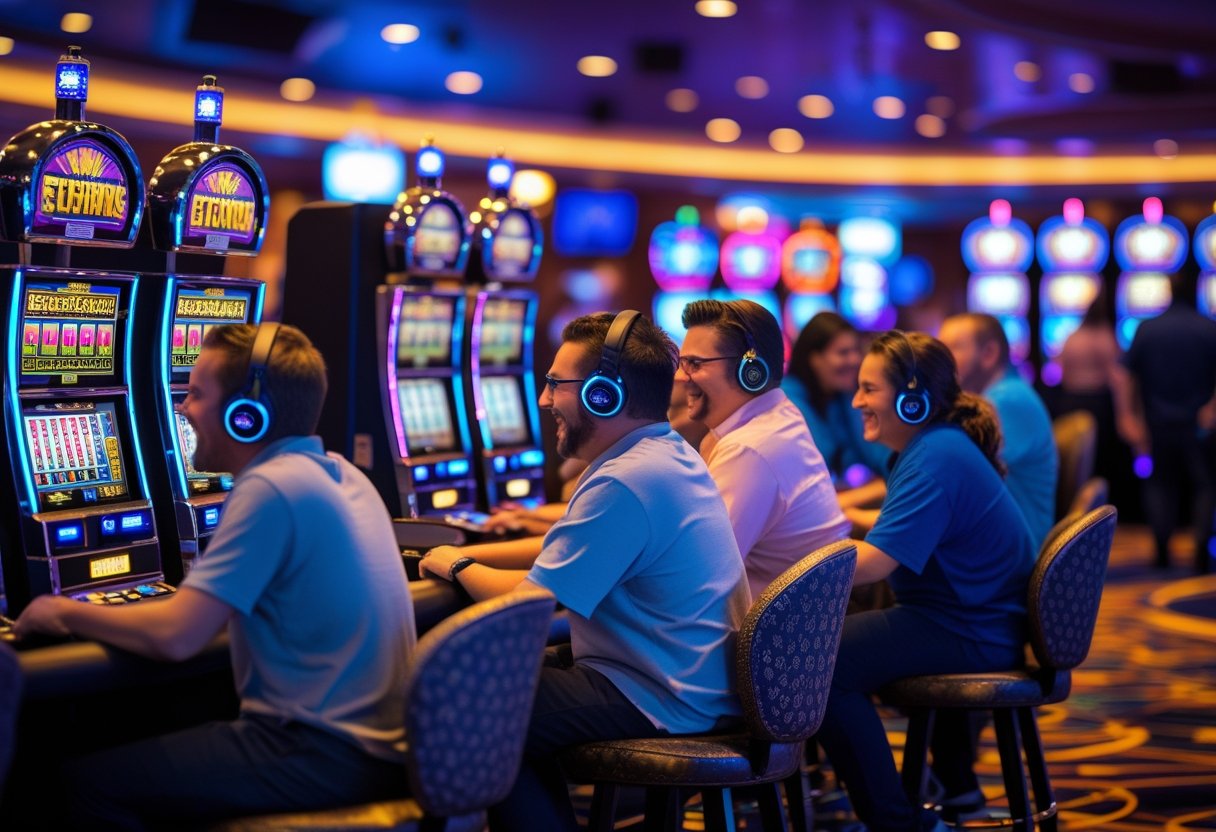
Encouraging Longer Play Sessions
Background music and ambient casino sounds mask the passage of time. Slow, melodic tracks without clear endings remove natural stopping points that might prompt players to leave. The absence of clocks or windows combines with this timeless audio environment to extend play duration. Continuous soundscapes prevent the silence that would otherwise signal a good moment to quit. Even during inactive moments, soft background noise maintains a connection between the player and the game. Studies document that players stay at machines significantly longer when sound remains active compared to muted gameplay. Audio feedback loops reward every interaction, not just wins. Button presses, reel spins, and menu selections all produce satisfying sounds that make the act of playing feel rewarding independent of monetary outcomes.
Types of Casino Sounds and Their Behavioral Impact
Casino sounds fall into three main categories that each affect player decisions in different ways. Slot machines use specific tones and rhythms to keep players engaged, ambient noise creates an atmosphere that encourages longer play sessions, and celebratory sounds trigger emotional responses that influence betting patterns.
Slot Machine Sound Design
Slot machines produce carefully designed sounds that influence how often players spin the reels. Each button press creates a click or beep that gives instant feedback. The spinning reels produce a whirring sound that builds anticipation. Key sound elements include:
- High-pitched chimes for wins
- Musical notes that rise in pitch during bonus rounds
- Mechanical sounds that mimic traditional slot machines
- Rhythmic patterns that match the game theme
Game developers use near-miss sounds that make losses feel similar to wins. When symbols almost line up, the machine plays upbeat tones even though the player lost money. This audio trick makes players believe they came close to winning. The tempo and volume of slot sounds affect play speed. Faster sounds encourage quick spins. Louder sounds during wins make those moments feel more significant than they actually are.
Ambient Casino Background Noise
Background music in casinos plays at specific tempos to control player behavior. Slow music makes players stay longer and bet more carefully. Fast-paced music creates energy but may lead to shorter sessions. The ambient noise level stays consistent throughout the gaming floor. Players hear a constant mix of slot machines, conversations, and music. This steady sound masks the passage of time and reduces awareness of the outside world. Casinos avoid silence because quiet spaces make players more aware of their losses. The background noise creates a bubble that keeps attention focused on gaming. Music without lyrics works best because words can distract from gameplay.
Celebratory Audio Triggers
Winning sounds create excitement that spreads across the casino floor. Loud bells, sirens, and music play when someone hits a jackpot. Other players hear these sounds and feel motivated to keep playing. Common celebratory sounds:
- Coin dropping effects (even in digital games)
- Ascending musical scales
- Fanfare and trumpet sounds
- Vocal celebrations and applause
These victory sounds trigger dopamine release in the brain. Players associate the audio with positive feelings and want to experience those sounds again. Small wins often get the same audio treatment as bigger wins, which makes all victories feel equally important. Casinos program machines to play celebration sounds at regular intervals. This creates the impression that wins happen frequently throughout the gaming floor.
Ethical Considerations in Casino Audio Design
Casino audio design walks a fine line between creating an engaging atmosphere and manipulating player decisions. The deliberate use of sound to encourage risk-taking and extended play sessions has sparked significant debate among researchers, regulators, and responsible gaming advocates.
Responsible Gaming Practices
Casinos face growing pressure to implement sound design that prioritizes player welfare alongside profits. Many gaming establishments now work with psychologists and audio experts to develop guidelines that prevent exploitative audio manipulation. Key responsible practices include:
- Volume limits that prevent overwhelming sensory experiences
- Reduced frequency of winning sounds that create false perceptions of success
- Quiet zones or audio-free gaming areas for sensitive players
- Transparent disclosure of audio design strategies
Sound designers must balance engagement with protection for vulnerable individuals. Players with gambling addictions often respond more strongly to audio triggers than casual gamblers. This reality has led some operators to test softer audio environments and provide options for players to adjust or mute game sounds entirely. The gaming industry also faces questions about targeting specific demographics through tailored soundscapes. Operators must consider whether their audio strategies disproportionately affect certain age groups or populations at higher risk for problem gambling.
Regulation of Auditory Stimuli
Few jurisdictions currently maintain specific regulations governing casino sound design. Most gaming laws focus on mechanical fairness and payout percentages rather than psychological manipul
ation through audio. Some regulatory bodies have begun addressing this gap. Certain European gaming authorities now require impact assessments for new slot machine audio designs. These reviews examine whether sounds might encourage excessive risk-taking or mask the passage of time. Emerging regulatory trends include:
- Mandatory testing of audio effects on player decision-making
- Restrictions on sounds that simulate near-wins or false victories
- Requirements for periodic silence or audio breaks during extended play
- Limits on audio intensity and frequency ranges
The challenge lies in creating enforceable standards without stifling innovation in game design. Regulators must define clear boundaries between acceptable atmosphere creation and unethical manipulation.